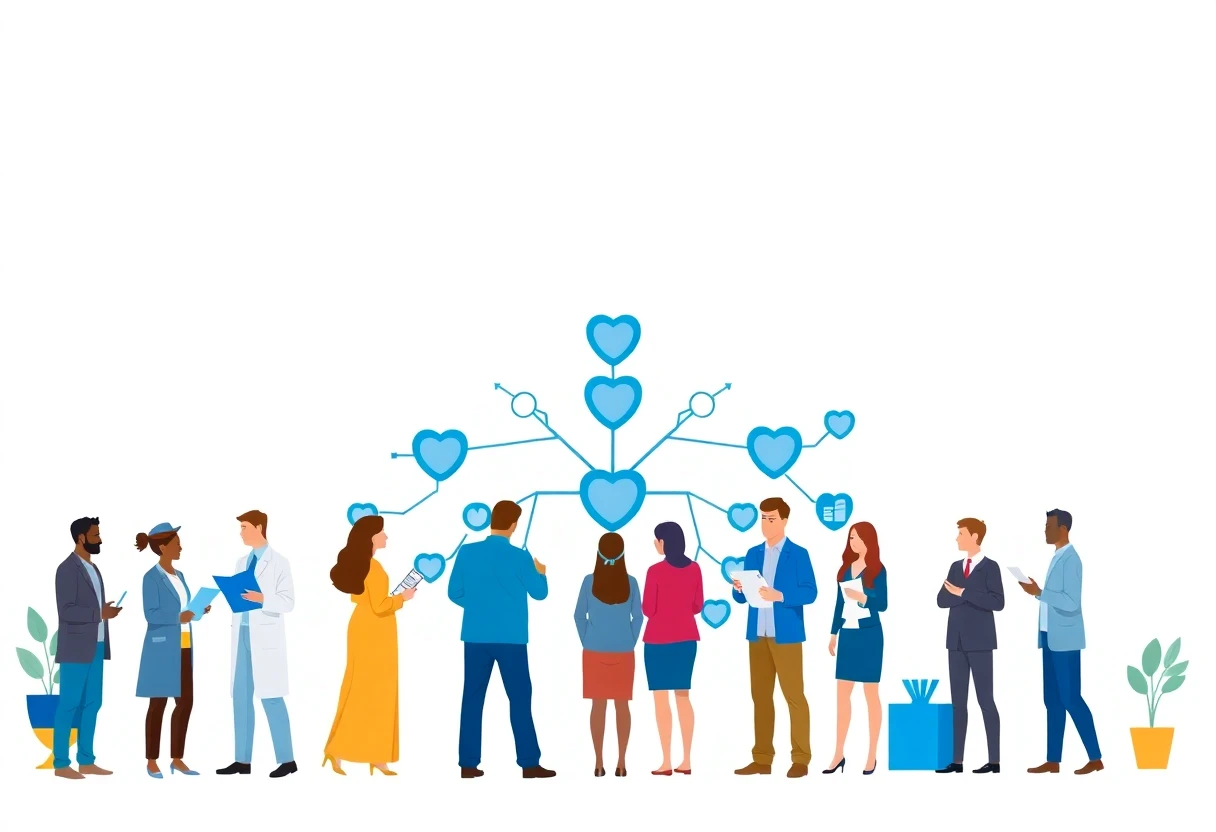
How Surname Research Reveals Your Family Story
AncestryDNA’s October 2026 Origins update doubled its ancestral regions from 146 to 302 worldwide. Its new Regions by Grandparent feature can show which regions and percentages came from each of your four grandparents, even when they never took a DNA test. That makes surname research feel less abstract: you can connect a family name, a place, and a specific branch of your heritage.

Why your surname is a useful starting point
A last name is not a complete family tree, but it can open the first door. Surnames may reflect an ancestor’s occupation, hometown, landscape, patronymic tradition, or a spelling adopted after migration. That history can give you clues about where to search and which records deserve closer attention.
The personal value goes beyond etymology. A surname can connect you with relatives, family customs, and stories that might otherwise disappear between generations. Learning that an ancestor crossed an ocean, changed professions, or lived through a major historical event turns a name on a document into a person with choices and constraints.
Keep one warning in mind: people with the same surname are not automatically related. Treat the name as a lead, then confirm the relationship with dates, locations, parents, spouses, and original records.
How genealogy apps turn clues into family links
Genealogy apps combine public records, historical censuses, city directories, and information contributed by users. Enter your name and the relatives you know, and the service searches its databases for people whose details may fit your family line.
Algorithms can suggest ancestors, spouses, children, and possible relatives. Each accepted connection gives the system more context, so later suggestions may reach further back. The process is useful, but an algorithm is matching evidence; it is not proving a relationship.
Collaboration adds another layer. Someone researching the same branch may have photographs, documents, or family notes you have never seen. In October 2026, Ancestry added more than 1 billion city directory records, which can help fill gaps between U.S. Censuses taken every ten years. Ancestry lists the record expansion.
What apps make easier
Digital research changes the workload in three practical ways:
- Less archive hunting: searchable databases let you examine records from a phone or computer instead of starting with scattered paper files, library visits, or letters to historical offices.
- A visible family structure: a dynamic tree shows how parents, children, spouses, and generations connect. You can move along one branch without losing sight of the larger family.
- Faster collaboration: messaging tools can put you in contact with distant cousins or other researchers working on the same line.
- More historical context: records can help explain why relatives moved, changed jobs, emigrated, or settled in a particular region.
The limitation is just as important as the convenience. A copied tree can spread one mistake to many users, and a hint can look convincing while joining two unrelated people. Use the app to organize leads, not to replace judgment.
What a surname search may uncover
A surname search may show where people with that name appear across the world and identify places where the name was especially common. That geographic pattern can suggest a research route, but it does not establish that every person in the cluster belongs to your family.
With enough records, you may trace a line through grandparents, great-grandparents, and several earlier generations. Some families reach five to ten generations or more; the result depends on record survival, access, and the quality of the clues you begin with.
Expect documents such as birth certificates, marriage records, passports, immigration files, and census entries. A record can reveal an address, occupation, relationship, or spelling that changes your next search. Family stories may also emerge: military service, migration, unfamiliar occupations, or relatives who built new lives on another continent.
AncestryDNA’s 2026 update adds detail in regions that were previously harder to separate, including 50 regions and 93 ethnic groups in Africa, 52 regions in Indigenous Americas—including 24 in North America—and an increase from 6 to 36 regions across India and Pakistan in South Asia. Ancestry describes those changes. DNA can point toward a branch, but documents and family relationships still do the confirming.
How to begin without creating a tangled tree
Start with the facts you can verify. Ask relatives for full names, nicknames, birth dates, marriage details, former addresses, religious affiliations, photographs, and stories. Write down who supplied each detail; an oral memory is valuable, but it should remain labeled as a memory until a record supports it.
Then choose an app based on the task you care about. Compare the size and type of its historical collection, the clarity of its tree tools, its collaboration features, DNA functions, privacy controls, and subscription terms. Some services have free access with paid upgrades, while others put key records behind a subscription. Check current terms before entering sensitive information.
Build your starting profile in this order:
- Add yourself and your parents, using exact dates and places where known.
- Enter grandparents next, then add siblings, spouses, and children only when the relationships are documented or clearly remembered.
- Upload or save supporting records, keeping the original image rather than relying only on an app’s transcription.
- Review suggested matches one at a time. Accept a hint only after comparing names, dates, locations, and family members.
- Move backward one generation at a time. A tree that grows slowly is more useful than a large tree built on guesses.
FamilySearch released free historical records from 26 countries in October 2026, while MyHeritage added 163 million historical records during the same month. FamilySearch and Genea-Musings report those additions. Availability and search coverage can differ by record type, so check the actual collection before assuming it includes your family’s location.
How to get better answers from surname searches
Search broadly first, then narrow the results with evidence. Try alternate spellings, abbreviations, translated forms, and versions that may have appeared after immigration. Handwritten records and clerks often produced inconsistent spellings, so one exact-name search can miss an entire branch.
Use several identifiers together. A surname plus a county, approximate birth year, spouse, or occupation is usually more useful than the surname alone. If the name is common, location and family structure matter more than a superficial match.
Verify important claims with more than one record. Compare a census entry with a birth, marriage, death, land, military, immigration, or city directory record when available. Original documents may contain errors, and user-submitted trees can repeat them.
Keep an external research log with the search date, record title, archive, page number, image link, and your reason for accepting or rejecting a connection. Save copies of key documents. Finally, speak with living relatives, especially older family members. Their memories may explain a nickname, adoption, migration, or family rupture that no database can show.
Turn records into conversations
Share discoveries in a form your relatives can use. A simple family tree, a short timeline, a scanned photograph collection, or a small digital book can make years of research understandable to people who will not open a database themselves.
Invite relatives to correct, add, or challenge the story. That conversation may uncover names and documents that were never written down. A family gathering can become a research session, with one person identifying faces, another checking dates, and another recording memories.
You can also visit places connected to an ancestor, such as a town, cemetery, neighborhood, or historical site. Seeing the setting adds context that a map and record cannot fully provide. Share sensitive information carefully, particularly details about living people.
The real reward of tracing your roots
Genealogy apps are most useful when they combine speed with skepticism. They can search millions of records, draw relationships clearly, estimate DNA regions, and connect you with researchers you would never find alone. They cannot decide whether two people with the same name are actually related.
That distinction protects the quality of your family history. Start with your grandparents and work outward through documented relationships, while using surname patterns and DNA results as clues. AncestryDNA’s Regions by Grandparent feature is especially useful for asking a more personal question: which part of my heritage may have come through each grandparent, even when those grandparents never tested?
The finished tree matters less than the understanding behind it. A verified address, a corrected spelling, or one recorded family memory can explain how your relatives lived and how their decisions shaped your life. Share those discoveries, preserve the evidence, and leave the next generation a story they can continue.